The $25M Deepfake Heist: Why “Tap to Approve” is Dead
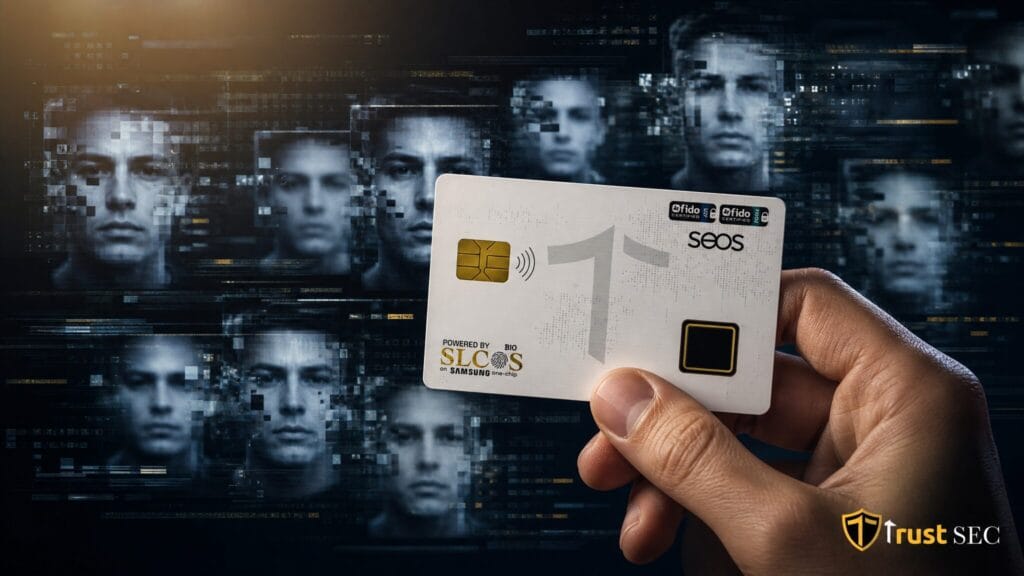
A finance employee just wired $25M after a video call with their CFO and four colleagues. Every single person on that screen was an AI deepfake. This isn’t a future threat model, it’s the current reality of social engineering. And it exposes the fundamentally broken assumption underlying most Multi-Factor Authentication (MFA): Relying on a human being to make a judgment call under pressure. Whether it’s an SMS OTP, a voice prompt, or a push notification, traditional MFA ends with a human typing a code or tapping “Approve.” Now that voice cloning and real-time face-swapping are available as low-cost subscription services, adversaries don’t need to break your cryptography. They simply talk your employees into surrendering the factor. If a human can read it, type it, or tap it, an AI can trick them into passing it along. The Fix: Eliminate Human Judgment from the Trust Model To defeat synthetic media and real-time proxy attacks, the root of trust must move into physical hardware that a human—or an AI impersonating one—cannot hand over. Here is why true Phishing-Resistant MFA (FIDO2 / PKI) changes the equation: Non-Exportable Keys: Private keys are generated and sealed within a dedicated Secure Element. They cannot be extracted by the OS, a phisher, or the user themselves. Cryptographic Domain Binding: Authentication is tied to the exact WebAuthn domain origin. On a spoofed site, the key simply produces no valid signature—the protocol itself rejects the wrong origin before a human ever gets a chance to be fooled. Physical Presence Verification: A physical touch or biometric scan confirms local user presence. There is zero transmittable secret for a deepfake to relay. A cloned voice can be convincing. A deepfake video can be flawless. But neither can talk a hardware key into signing an authentication request for the wrong domain. The Real Vulnerability Deepfakes didn’t out-calculate modern security they exposed authentication methods that still depend on human certainty. As synthetic media scales, “trusting the user to verify” is no longer a security control. It is a vulnerability. The only thing left unfakeable is the hardware key in your hand. Where is your organization still relying on human judgment inside the authentication chain—and what’s slowing the move to phishing-resistant MFA? Let’s discuss below. Website: www.trustsec.net #Cybersecurity #DigitalIdentity #FIDO2 #ZeroTrust #PKI #Passkeys #InformationSecurity #CISO
TrustSEC at TRUSTECH Paris 2025: Unveiling TRUSTSMART and the Future of Sustainable Biometric Access
TrustSEC is proud to announce our participation at TRUSTECH Paris 2025 at Booth E042, Europe’s largest event for payments, identification, and trust technologies, taking place December 2–4 at the Paris Expo Porte de Versailles. Why TRUSTECH Matters TRUSTECH draws over 8,000 global attendees and 200+ exhibitors from across payments, identity, biometrics, security, and digital access. It’s the must-attend event for technology decision-makers, OEMs, and innovators seeking the next wave of secure, sustainable authentication solutions. Introducing TRUSTSMART: A Next-Generation Biometric Smart Card At this year’s event, TrustSEC will debut TRUSTSMART, our secure, eco-friendly biometric smart card designed for the modern digital landscape. Key features and advantages include: Sustainable Energy Module: Replaces traditional lithium with recyclable, non-lithium power for a lower environmental impact. Advanced Biometric Security: Fast, privacy-first on-card fingerprint authentication—no passwords, no cloud required. Robust Cryptographic Protection: Comprehensive, hardware-based encryption safeguards identities and transactions end to end. Full Interoperability: Seamlessly integrates with popular access control systems and management platforms, ensuring smooth adoption. Field-Tested Reliability: Built and validated in real-world pilots to ensure peak performance and security. What to Expect at TrustSEC’s Booth Live Product Demonstrations: Experience TRUSTSMART’s biometric speed and ease—see how hardware-rooted security and sustainable tech deliver tangible benefits. Interactive Booth Challenges: Engage in hands-on activities, digital polls, and quizzes with chances to win practical, eco-friendly giveaways 1:1 Expert Consultations: Book meetings with our team and esteemed partners Wibcard, Esignus, Ligna Energy, and Dongwoon to discuss your evolving authentication needs and digital identity strategies. Meeting Market Trends The global biometric smart card market is forecasted to surge past $8 billion by 2033, driven by demand for sustainable, user-friendly authentication and compliance with GDPR, eIDAS, and ESG mandates. TrustSEC’s pioneering technology uniquely addresses these challenges with a blend of environmental responsibility, security, and seamless interoperability. Visit Us at TRUSTECH Paris 2025 Innovation, partnership, and live interaction await at Booth E042. Don’t miss the chance to be part of the sustainable authentication revolution. Follow TrustSEC on LinkedIn for live updates, behind-the-scenes stories, and exclusive content before, during, and after the show.
Why Biometric Access Control Cards Are the Future of Secure Identity
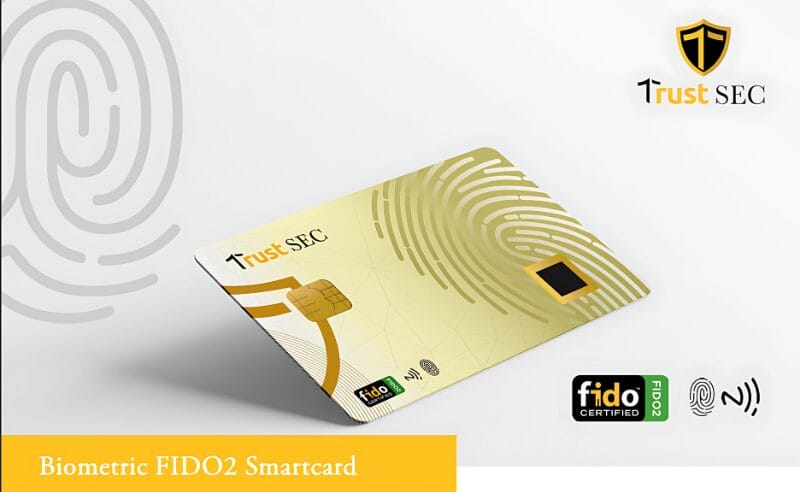
Revolutionizing Secure Access with Biometric Smartcards In a world where data breaches dominate headlines, relying on passwords or traditional tokens is increasingly risky. Biometric access control cards, particularly those powered by BIO-SLCOS and the BIO-SLCOS Smart Card Operating System, are rapidly emerging as the most secure and user-friendly solution for identity verification. 1. What Are Biometric Access Control Cards? These are physical smartcards, such as FIDO2 smartcards, embedded with a fingerprint sensor and running a secure operating system (SLCOS, Bio-SLCOS, or Smartcard OS). Using Match-on-Card technology, fingerprint verification happens internally on the card. The biometric data never leaves the device, ensuring privacy far beyond cloud-based systems. 2. Why They Make Sense Now 2.1 Growth of Biometric Technology in Europe The European biometric market reached USD 11 billion in 2023 and is forecasted to triple by 2030 with a 19% annual growth rate, driven largely by hardware adoption. 2.2 Password Vulnerabilities 81% of breaches stem from weak credentials. Additionally, SIM-swap fraud rose by over 400% between 2020 and 2023, highlighting the flaws of SMS-based OTP tokens. 2.3 Rising Compliance Pressures New regulations such as eIDAS 2.0 mandate hardware-backed, strong authentication solutions. TrustSEC supports GDPR-compliant, FIDO2, and eIDAS-ready offerings. 3. Advantages: Security, Speed & Sovereignty 3.1 Bulletproof Protection Fingerprints are unique and nearly impossible to replicate. Biometric matching occurs locally on the card—no network, no leaks. No phishing, no SIM hijacks, minimal attack surface. Research confirms biometrics deliver 99%+ accuracy, far beyond passwords. 3.2 Streamlined User Experience Feature OTP Token Biometric Smartcard Speed Slow Instant with fingerprint Risk Phishable / SIM vulnerable Securely stored on card User Friction High (forgotten, lost) Low (always with user) 3.3 Offline Capability Perfect for air-gapped zones, labs, or border control—BIO-SLCOS smartcards operate fully without Wi-Fi or servers. 3.4 Compliance & Sovereignty TrustSEC’s European-made cards provide: Full GDPR and eIDAS compliance Trusted sourcing and hosting No data transfer to the US or China—ensuring EU sovereignty 4. Core Technologies 4.1 BIO-SLCOS (Smartcard Operating System) Runs on Java Card / GlobalPlatform with a roadmap supporting post-quantum cryptography (PQC). Enables FIDO2 authentication, biometric PKI token use, and biometric key control. 4.2 FIDO2 Smartcards & Tokens Store private keys securely and perform biometric matching entirely on-card. 4.3 Identity Wallets & App Shielding TrustSEC’s Guardian SDK integrates identity wallets, securing mobile apps and credentials with FIDO2 as a backup option. 5. Real Use Cases & Industry Impact 5.1 Critical Infrastructure Energy plants and government sites are replacing badge systems with biometric smartcards, ensuring harder-to-spoof security and clear audit trails. 5.2 Financial Transactions Biometric CPA/CPACE cards enhance PSD2-compliant transactions and integrate seamlessly with crypto wallets like Hashwallet. 5.3 Offline Identity In high-security environments where phones are restricted, BIO-SLCOS cards offer safe, on-card biometric verification. 6. Advantages Over Traditional Methods No PINs to guess No passwords to leak No cloud services to compromise More privacy-friendly than facial recognition under GDPR 7. The Future of Access Is Biometric Europe’s biometric solutions market is projected to grow at 19.3% CAGR. With security, convenience, and compliance converging, on-card biometric authentication stands out as the most reliable approach. TrustSEC’s EU-made, certified solutions—powered by BIO-SLCOS, FIDO2, and PQC-readiness—deliver the future of digital trust today.
CPACE Applet

We are pleased to announce significant advancements within the CPACE applet: * CPACE Implementation Version 1.1: This update focuses on enhancing performance, security, and interoperability to address the dynamic requirements of modern payment systems. * BIO CPACE Implementation: We have introduced biometric authentication to CPACE transactions, providing a seamless and highly secure method for contactless payments. Both implementations have achieved functional readiness for PayCert certification, underscoring our dedication to pioneering innovation in the payment industry. Please stay connected for further developments as we continue to advance secure and efficient payment solutions. LinkedIn Post #CPACE #PaymentsInnovation #BiometricPayments #Contactless #PayCert #FutureOfPayments
Mobile Apps Security

What is Mobile application security? Mobile app security is the defensive mechanism used to safeguard mobile applications with its users’ info and defending mobile applications against Cyber-attacks and digital fraud as; malware, man in the middle attacks, app tampering, financial fraud, and other hacking techniques. Why Does This Matter to individuals and companies? The digital transformation of services, led people and businesses to use a dozen different mobile apps on a daily basis, As; apps for financial management, banks that require customers’ credentials, online shopping, etc.. The use of unprotected mobile applications have severe consequences on businesses and individuals. The threats of Mobile Apps hacking When a mobile application is compromised by malware or other hacking activity that exposes both the individuals and the companies to a high risk of being a victim of digital fraud. This includes… Possibility of stealing financial login credentials Credit card information stealing Hackers access to business networks Wholesale identity theft The usage of the hacked device as a mean of spreading malware to uninfected devices etc . . Such violations have many consequences that can be severe, including: Negative end-user experiences Negative, potentially permanent impact on the brand’s reputation Ongoing financial losses Unfortunately, 40% of organizations, including some Fortune 500, didn’t take active steps to protect their customers they’re developing the apps for. Only 50% of these same organizations dedicate any resources toward mobile app security. And the most recent reports indicate that up to 95% of mobile applications are vulnerable to attacks. Mobile Apps Security tips Testing As online fraud is constantly evolving, we recommend that companies should regularly test their apps for vulnerabilities, never rush development or patches, and monitor malware attacks. Mobile Application Security Practices Practices that expose individuals and companies to less mobile fraud threats. Only Download from Trusted Sources –We suggest downloading apps from the trusted app stores with high caution whenever downloading a new app, and the reporting of any suspicious activity. Avoid Saving Passwords – Discourage untrusted apps to save passwords on their system or in the cloud, as these can allow the private credentials to be harvested and used to hack other devices or networks. Invest in Mobile App Security –We recommend companies go further than the usual defensive mobile app security tactics and seek in-app protection suite that puts a protected layer between apps and the hacking practices. The Guardian Trustsec mobile application protection solution “The Guardian” provides a high level of security, allows you to focus on your business knowing we maintain a user-friendly protected app with no effect on the end-user experience! The Guardian is your best choice for Mobile Application Protection as its automatic integration tool allows the developers to easily integrate and configure it to the app without slowing down the development process. It detects and prevents any threats in real-time and responds by taking the necessary measures to protect the mobile application. The Guardian protects the mobile application even on highly infected devices, it protects the app against attacks that are coming from other applications as it shields the app and protects the user data and the app from reverse engineering, malware and various types of attacks. Ready to invest in your brand’s app security? Read more about Trustsec mobile application protection solution “The Guradian”
COVID-19 and Secure online exams revolution!

The COVID-19 outbreak forced many countries to extend schools’ and universities’ closure to protect the safety and wellbeing of its employees, teachers, and students. The pandemic had a direct impact on the educational system overall, It is almost impossible for schools and universities to hold examinations. Many universities worldwide have suspended their exams and requested research papers instead. Considering these unprecedented circumstances, many educational entities have adopted online exams to support the students, so they can continue with their education journeys as soon as possible. To ensure fairness for all the students who have worked hard, and to continue the educational cycle, it was essential to use more layers of authentication to assure Identities in online exams & E-learning. It is essential to verify who is really taking the test. That’s why adding a security layer of authentication is essential to avoid cheating and confirm identities. The simple username and password authentication used in verifying the user identity used wasn’t secure enough as passwords can be easily shared or cracked. One-time password (OTP) and FIDO2 are more secure solutions and with the advancement in biometrics, it is more reliable to verify the physical presence of the enrolled learner at login and throughout the test session. About OTP (OTP) is a type of password that is valid for only one use. It is a secure way to provide access to an application or perform actions for only one time. The password becomes invalid either after a small time frame as it changes every certain time or no of clicks on used devices, devices could be software like Mobile application or hardware There are multiple ways to spread OTP with desired students, like Hardware devices, Mobile applications (Android – IOS), SMS, or Email. The most popular is the Mobile application and the most secure is the hardware device. Read more about Trustsec solutions OTP (one-time-password) Fido2 Security Keys Biometric PKI Token Secure Network Access Secure Data Exchange